
Door Name Plates with Creative Design Options
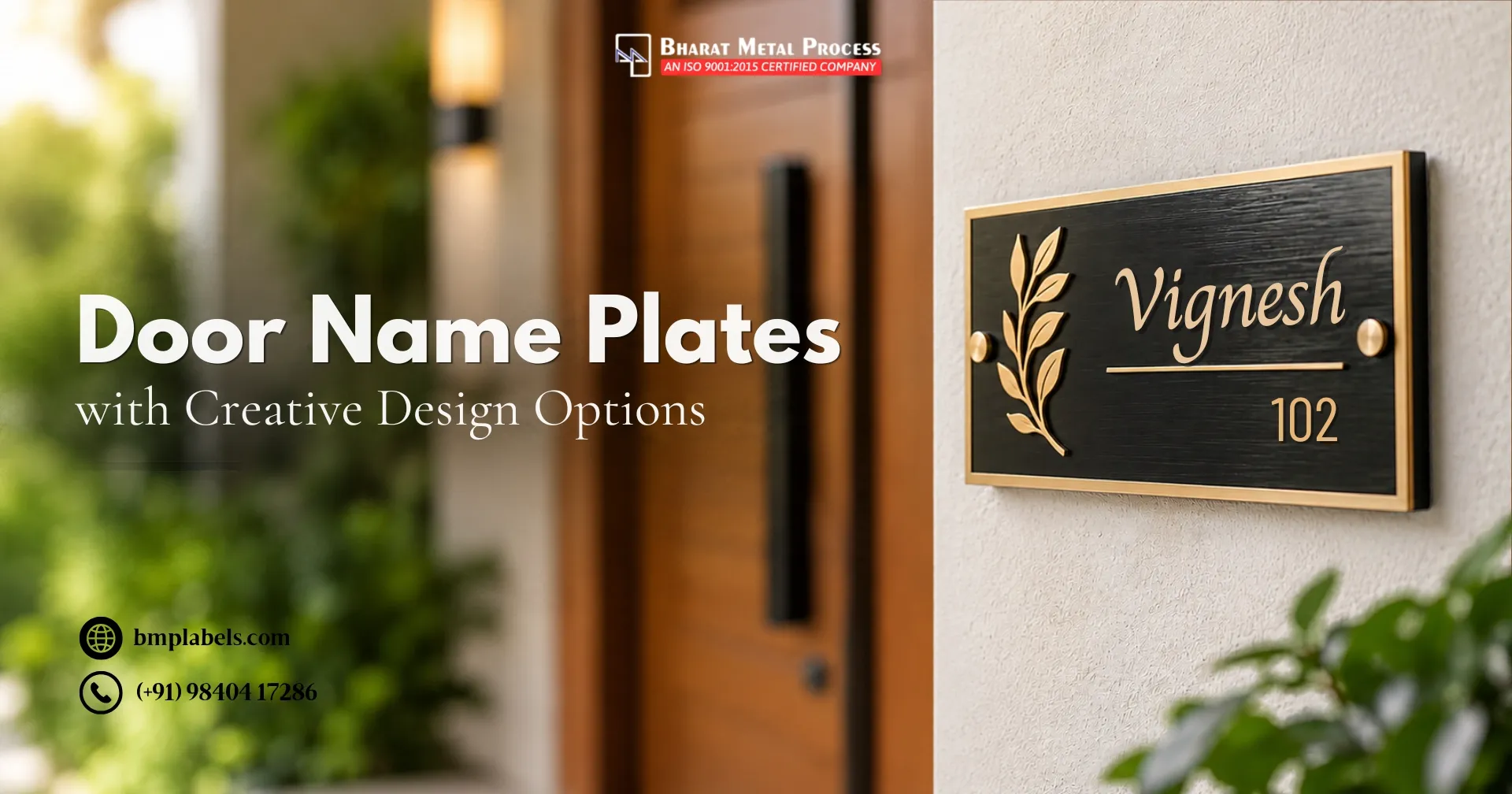
A home's entrance creates the first impression before anyone steps inside. A thoughtfully designed nameplate adds personality to the doorway while helping visitors identify the residence. From elegant metal finishes to colourful contemporary designs, there are plenty of ways to make an entrance look welcoming without overdoing the decoration.
Choosing the right door nameplate involves more than just picking a design that looks attractive. Material, lettering, size, weather resistance, and placement all influence the final result. Whether you live in an independent house or a city apartment, the right choice can complement your home's architecture and reflect your family's preferences. For those looking for customised options, Choosing the right door nameplate manufacturers and suppliers can provide different finishes, lettering styles, sizes, and mounting solutions based on specific requirements.
Why Are Door Name Plates Important for Modern Homes?
A nameplate serves a practical purpose, but it can also contribute to the overall appearance of an entrance. It identifies the household, helps guests find the correct address, and adds a personal touch to an otherwise ordinary doorway.
Well designed door name plates for home entrances can complement wooden doors, contemporary apartments, traditional houses, and premium villas. Some homeowners prefer simple lettering, while others choose decorative borders, family names, or traditional motifs.
Here are a few reasons to consider a customised design:
- Easy identification: Visitors can locate your home without confusion.
- Personal expression: Names, initials, and selected patterns give the entrance an individual character.
- Visual appeal: A coordinated finish makes the doorway look more complete.
- Practical use: Clear lettering helps delivery personnel and guests identify the correct residence.
The best design balances appearance with readability rather than prioritising decoration alone.
Creative Door Name Plate Designs to Consider
There is no single style that suits every home. Consider the architecture, available wall space, and the appearance you want to create before finalising a design.
1. Minimalist Metal Designs
Simple rectangular plates with clean lettering work particularly well in contemporary homes and apartments. Brushed metal finishes, restrained borders, and uncluttered layouts create a professional appearance.
For homeowners who prefer understated door name plates, stainless steel and aluminium are worth considering. Both materials offer different finish options, making it easier to coordinate the plate with door handles and other fittings.
Explore modern trends in nameplate design for ideas on clean layouts, typography, and contemporary finishes.
2. Elegant Brass Nameplates
Brass creates a warm golden appearance that suits traditional houses, villas, and entrances with classic architectural details. Engraved lettering and subtle decorative borders can make the design feel distinctive without appearing crowded.
Brass is also worth considering when you want a timeless finish rather than a short lived trend. Appropriate cleaning and maintenance help preserve its appearance. For more inspiration, read this guide to brass name plates for homes.
3. Contemporary Acrylic Designs
Acrylic offers flexibility in colours, shapes, and lettering styles. It can suit modern apartments, compact entrances, and homes with a contemporary interior design theme.
Some designs incorporate illumination to improve visibility after dark. If you choose a lighted version, check the quality of the electrical components and whether the installation is suitable for the intended location.
4. Traditional Designs with Cultural Details
Some families prefer to include Tamil lettering, religious symbols, floral patterns, or decorative borders. These details can make a nameplate more meaningful while maintaining a connection to family traditions.
When choosing door name plates for home entrances, make sure the decorative elements do not overpower the family name. A balanced layout allows both the lettering and the artwork to remain visible.
You can also read about popular symbols used in nameplates before deciding which details suit your household.
Which Material Is Best for Your Entrance?
The material affects appearance, maintenance, and suitability for indoor or outdoor use. Compare the available options before placing an order.
| Material | Appearance | Main consideration | Suitable applications |
|---|---|---|---|
| Stainless steel | Modern and polished | Select a suitable outdoor grade and finish | Apartments and contemporary houses |
| Brass | Classic and luxurious | May require regular polishing | Villas and traditional homes |
| Aluminium | Lightweight and versatile | Finish and coating influence durability | Residential and commercial entrances |
| Acrylic | Colourful and contemporary | Check scratch resistance and outdoor suitability | Modern apartments and sheltered doorways |
| Wood | Natural and warm | Requires protection from moisture and sunlight | Covered entrances and traditional homes |
For example, stainless steel can be a practical choice for an exposed entrance when the correct grade and finish are selected. Brass may appeal to someone who values a traditional appearance, while acrylic provides greater freedom with colours and shapes. Explore aluminium versus stainless steel nameplates to compare two popular metal options.
Tips for Selecting a Nameplate That Suits Your Home
A well chosen nameplate should complement your entrance while making your family name easy to read. Before finalising your design, consider the available space, material, lettering style, and overall appearance of your doorway.
1. Select a Style That Matches Your Home
Consider your home's architecture before choosing a design. Simple metal plates suit modern apartments, while engraved brass designs complement traditional houses. Choose a style that blends naturally with your entrance.
2. Focus on Clear and Attractive Lettering
The font should make names easy to recognise from a short distance. Avoid overly decorative lettering that reduces readability. If you prefer bilingual text, ensure both languages are displayed clearly.
3. Choose a Suitable Material and Finish
Consider the material's appearance, durability, and maintenance requirements. Stainless steel offers a contemporary look, brass provides a classic finish, and acrylic allows greater flexibility with colours and shapes.
4. Ensure Proper Placement and Installation
Measure the available wall or door space before ordering. Choose a suitable mounting method based on the plate's weight, surface type, and exposure to outdoor conditions.
By considering these factors, you can select door name plates for home entrances that combine visual appeal with everyday practicality. For more guidance, read our article on how to select custom nameplates that reflect your style.
Customisation Options for a Personal Touch
Customisation allows homeowners to create a plate that suits their requirements rather than choosing a standard design. Depending on the material and manufacturing method, you may be able to customise the following:
- Family names or individual names
- House numbers and apartment details
- English or regional language lettering
- Engraved text and decorative patterns
- Plate dimensions, shapes, and finishes
- Borders, symbols, and selected design elements
When reviewing door name plates for home use, provide the correct spelling and confirm the final artwork before production. This is especially important when the design includes multiple languages, symbols, or detailed engraving.
BMP Labels, also known as Bharat Metal Process, has manufactured nameplates since 1979 and offers custom nameplate solutions. You can visit the BMP Labels website to review its nameplate offerings and discuss your requirements.
Maintenance Tips to Keep Your Nameplate Looking Good
Regular maintenance helps preserve the finish and readability of your chosen design.
- Clean the surface with a soft cloth and a suitable cleaning solution.
- Avoid abrasive scrubbers that may scratch polished or coated finishes.
- Use cleaning products appropriate for the specific material.
- Inspect the mounting points periodically to ensure the plate remains secure.
- For outdoor installations, check for signs of corrosion, fading, or moisture damage.
Brass may develop a natural patina over time, while coated metals and acrylic can require different care methods. Follow the manufacturer's maintenance recommendations to avoid damaging the finish.
Give Your Entrance a Personal Touch
Choosing the right nameplate is a simple way to make your home entrance more welcoming and distinctive. From elegant metal finishes to modern acrylic designs, the right combination of material, lettering, and style can complement your home's appearance.
When selecting door name plates for home, consider durability, readability, and how well the design matches your entrance.
Looking for a design that suits your home? Contact us today to discuss your requirements and find the right nameplate for your entrance.
Frequently Asked Questions
-
Which material is best for door name plates?
Stainless steel, brass, aluminium, acrylic, and wood are popular materials for door name plates. Stainless steel suits modern homes, brass offers a traditional appearance, and acrylic provides flexibility in colours and designs. The best choice depends on your budget, preferred style, and whether the plate will be exposed to outdoor conditions. -
How do I choose door name plates for home entrances?
Choose a nameplate that complements your door colour, home design, and available space. Consider the material, lettering style, readability, and weather resistance. Measure the installation area before ordering to ensure the nameplate fits properly. -
Can I customise a door name plate with my family name and house number?
Yes, many nameplate manufacturers offer customisation options, including family names, house numbers, initials, regional languages, and decorative patterns. Check the design proof carefully before production to ensure all names and numbers are correct. -
What size should a nameplate be for an apartment entrance?
The ideal size depends on the available space and the distance from which visitors need to read it. A compact rectangular plate often suits apartment doors, while wider entrances may accommodate larger designs. Choose lettering that remains clear without making the plate look crowded. -
How can I maintain my door name plate and keep it looking new?
Clean your nameplate regularly with a soft cloth and a cleaning solution suitable for its material. Avoid abrasive cleaners that can scratch the surface. For outdoor nameplates, choose weather resistant materials and inspect the mounting points periodically to keep the plate secure. -
Where can I buy customised door name plates for my home?
You can contact BMP Labels to discuss customised nameplates for your home. Consider your preferred material, dimensions, lettering, and finish before placing an order. Visit BMP Labels to explore available options and enquire about a design that suits your entrance.