
Aluminium vs Stainless Steel Name Plates – Key Differences
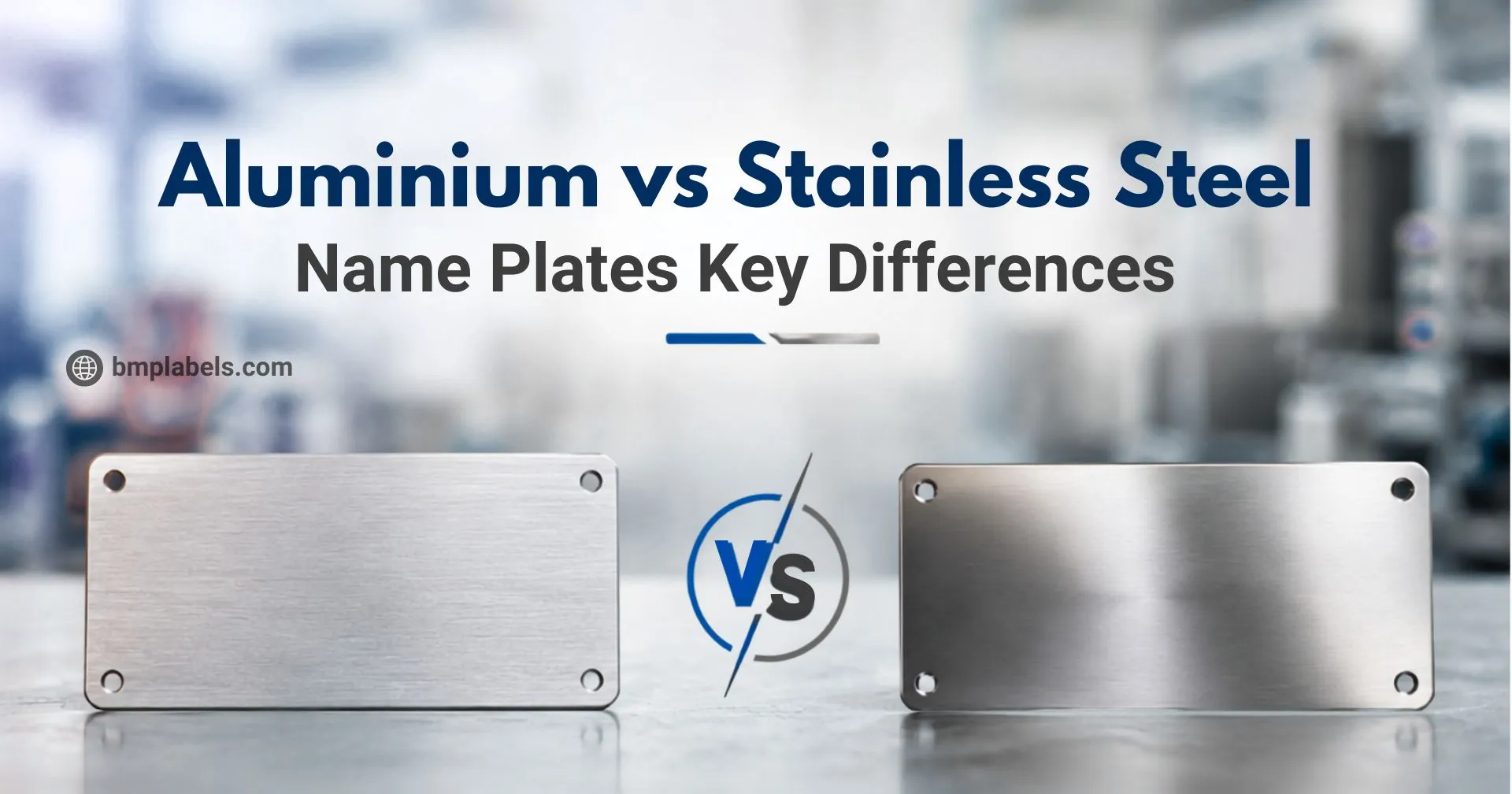
Choosing the right name plate for a product, machine, office, building, or industrial installation is more important than it may seem. A name plate helps identify equipment, display essential information, support brand visibility, and improve safety in the workplace. As trusted name plates manufacturers and suppliers in Chennai offer a wide range of material options, selecting the right one depends on the application and operating environment. The two most commonly used materials are aluminium and stainless steel. Both materials offer valuable benefits, but they differ in weight, strength, finish, maintenance, durability, and suitability for different environments.
This guide explains the main differences between an aluminium name plate and stainless steel options. It will help businesses, manufacturers, facility managers, and property owners select the most suitable material for their requirements.
What Is an Aluminium Name Plate?
An aluminium name plate is an identification plate made from aluminium sheets. It can be printed, engraved, etched, embossed, anodised, or laser marked according to the required design and application.
Aluminium is lightweight, flexible, and naturally resistant to corrosion. It is also easy to process, making it suitable for name plates in different shapes, sizes, colours, and thicknesses.
An aluminium name plate can be used for:
- Industrial equipment and machinery.
- Electrical panels and control cabinets.
- Product identification.
- Office and commercial signage.
- Safety instructions and warning labels.
- Serial numbers and technical information.
- Company branding and logos.
- Residential name boards.
At Bharat Metal Process, aluminium name plates can be developed according to the customer’s design, dimensions, surface finish, mounting requirements, and application. Businesses looking for custom name plates materials, benefits, and applications can choose from a wide range of solutions based on their specific identification needs. Depending on the project, options may include screen printing, engraving, anodising, digital printing, brushing, and laser marking.
What Are Stainless Steel Plates?
Steel Name Plates are manufactured using stainless steel, an alloy known for its strength, hardness, and resistance to moisture. Stainless steel provides a firm and professional appearance, making it suitable for applications where durability and visual quality are important.
The surface of Steel Name Plates may be brushed, polished, mirror-finished, etched, engraved, or screen printed. The finish can be selected according to the environment, design, brand identity, and type of information displayed.
Steel Name Plates are commonly used for:
- Heavy machinery.
- Industrial equipment.
- Factory and plant signage.
- Elevators and building signs.
- Corporate and office identification.
- Outdoor equipment.
- Architectural signage.
- Product and asset identification.
Stainless steel is often preferred for locations where plates may face frequent handling, cleaning, abrasion, moisture, or harsh operating conditions. The correct grade and finish should be chosen according to the installation environment.
Aluminium vs Stainless Steel – Main Differences
1. Weight and Installation
Aluminium is lightweight, making it easy to handle, drill, and install on doors, panels, machines, and products. Stainless steel is heavier and more rigid, so it may require stronger fixing methods such as screws, rivets, or bolts.
2. Strength and Durability
A quality aluminium name plate is durable for indoor and general outdoor use. Steel Name Plates offer greater strength and resistance to impact, bending, and abrasion, making them suitable for demanding industrial environments.
3. Corrosion Resistance
Aluminium naturally resists corrosion and can perform well in humid and outdoor conditions when properly coated or anodised. Stainless steel also provides strong corrosion resistance, especially in coastal, chemical, medical, and food processing environments.
4. Appearance and Finish
Aluminium is available in coloured, printed, brushed, anodised, and metallic finishes. Steel Name Plates offer a premium appearance with brushed, polished, etched, or engraved surfaces.
5. Printing and Marking Options
Aluminium supports screen printing, engraving, laser marking, barcodes, QR codes, logos, and warning symbols. Steel Name Plates can be etched, engraved, laser marked, or screen printed for clear and long lasting identification.
Comparison Table
| Comparison Point | Aluminium Name Plates | Stainless Steel Name Plates |
|---|---|---|
| Weight | Lightweight and easy to install. | Heavier and more rigid. |
| Durability | Durable for general industrial, commercial, and residential use. | Highly durable for heavy-duty applications. |
| Weather Resistance | Weatherproof options are available for outdoor use. | Strong corrosion resistance for demanding environments. |
| Appearance | Available in coloured, printed, anodised, and metallic finishes. | Available in brushed, polished, etched, and engraved finishes. |
| Best Applications | Suitable for panels, machinery, products, offices, and home signage. | Ideal for factories, elevators, outdoor equipment, and corporate signage. |
Which Material Should You Choose?
Choose aluminium when you need a lightweight, versatile, attractive, and easy-to-install plate for equipment, panels, products, offices, or general outdoor use. Aluminium is especially practical when installation involves adhesive backing, drilling, or mounting on a surface that cannot support a heavy plate. Premium aluminium tag plates for industrial identification are also an excellent choice for businesses that require durable, lightweight marking solutions for industrial assets and equipment.
Choose stainless steel when strength, rigidity, premium appearance, and resistance to abrasion are major priorities. Stainless steel is a strong option for heavy machinery, outdoor installations, industrial plants, architectural projects, and locations exposed to frequent cleaning or physical contact.
For Steel Name Plates, the correct grade and finish should be considered carefully. Indoor signage may require a different specification from a plate installed near the sea, in a food-processing facility, or inside a chemical plant. If you are unsure which material is suitable, share details about the application, installation area, plate size, design, and expected exposure with Bharat Metal Process. The right recommendation can help improve the plate’s performance and appearance.
Maintenance and Care
To keep your aluminium name plate clean and readable, use a soft cloth, mild soap, and clean water. Avoid abrasive pads, harsh solvents, and aggressive scrubbing because they may damage the printed, engraved, or coated surface. Steel Name Plates can usually be cleaned with a soft cloth and a suitable stainless-steel cleaner. For businesses looking to understand stainless steel name tags features, applications, and maintenance tips, proper cleaning and routine maintenance play an important role in preserving their appearance and extending their service life. When cleaning a brushed finish, wipe in the direction of the grain to help preserve its appearance.
Regular cleaning is particularly useful in industrial and outdoor areas where dust, oil, salt, or other contaminants may accumulate. It is also important to check the fixing points occasionally to ensure that the plate remains securely attached.
Custom Manufacturing by Bharat Metal Process
Bharat Metal Process manufactures customised aluminium and stainless steel name plates for businesses, manufacturers, institutions, and residential customers. The company has experience producing high quality metal name boards along with plates for industrial and general identification requirements.
Each plate can be developed according to the customer’s required:
- Dimensions and thickness.
- Artwork, text, and logo.
- Material and surface finish.
- Colour and marking method.
- Mounting and fixing requirements.
- Serial numbers and variable information.
- Shape, corners, holes, and cut-outs.
Customisation options may include company logos, machine numbers, equipment details, product labels, safety instructions, operating information, serial numbers, barcodes, and variable data.
The manufacturing process begins by understanding the application and reviewing the design requirements. Material selection, artwork preparation, production, marking, and finishing are then coordinated to create a plate that is clear, functional, and visually consistent.
Get the Right Name Plate Solution
Choose the ideal aluminium name plate or Steel Name Plates based on your application, design, finish, and installation needs. Bharat Metal Process offers customised name plate solutions for industrial, commercial, and residential requirements.
Contact Bharat Metal Process today to discuss your requirements and get the right name plate for your project.
Frequently Asked Questions
-
Which material name plate is good for home?
Both aluminium and stainless steel name plates are suitable for homes. Aluminium is lightweight, affordable, and available in many designs, while stainless steel offers a premium appearance, excellent durability, and long-lasting performance. Choose aluminium for budget-friendly signage and stainless steel for a modern, elegant finish. -
Which is better, stainless steel or aluminium?
Neither is universally better; it depends on your application. Stainless steel is stronger, more durable, and more resistant to scratches and corrosion. Aluminium is lighter, easier to install, and more cost-effective. For industrial and outdoor use, stainless steel is often preferred, while aluminium is ideal for general signage and indoor applications. -
What is the disadvantage of aluminium?
The main disadvantage of aluminium is that it is softer than stainless steel. It can dent, scratch, or bend more easily under heavy impact. Although it offers good corrosion resistance, it may not be the best choice for harsh industrial environments that require maximum strength. -
Will aluminium get rusty?
No. Aluminium does not rust because it contains no iron. Instead, it forms a thin protective oxide layer that helps resist corrosion. This makes aluminium suitable for both indoor and many outdoor applications. -
How to clean a stainless steel name plate?
Clean a stainless steel name plate using a soft cloth, mild soap, and warm water. Wipe in the direction of the grain if the surface has a brushed finish. Avoid abrasive cleaners or steel wool, as they can scratch the surface and reduce its appearance.